
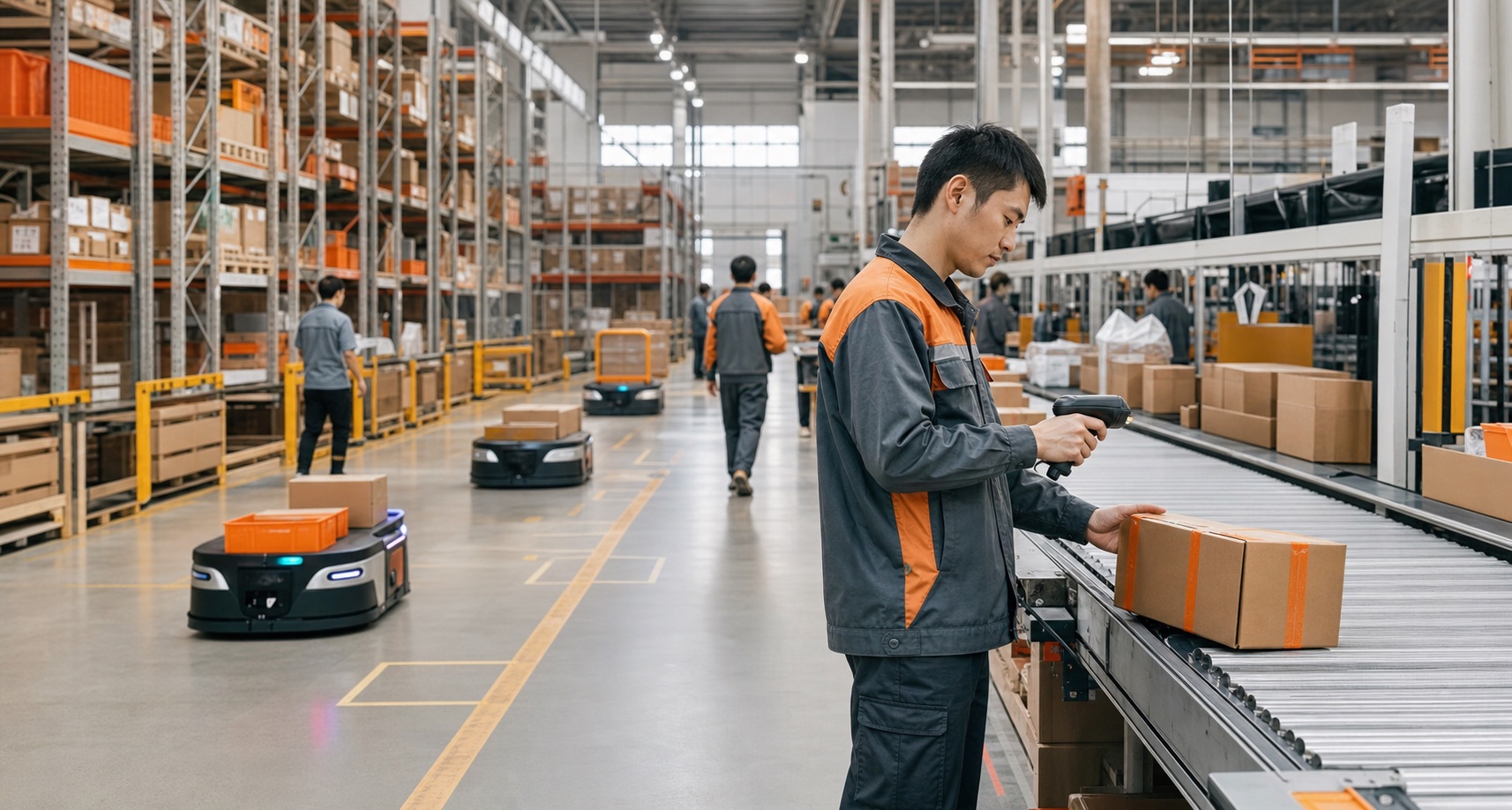
New or unpredictable SKUs often benefit from flexible China-based fulfillment. Stable bestsellers may justify overseas inventory for faster local delivery. Many growing brands use a hybrid model: local stock for proven products and China-direct fulfillment for tests and long-tail demand.
Four common fulfillment models
| Model | Strength | Watch for |
|---|---|---|
| Supplier-direct | Low setup and simple testing. | Limited quality control, packaging consistency and multi-supplier coordination. |
| China fulfillment warehouse | Consolidation, inspection, branded packing and broad catalogue support. | Customer delivery is usually slower than local inventory. |
| Overseas 3PL | Faster domestic delivery for stocked products. | Inventory commitment, inbound freight, storage and multiple-market allocation. |
| Hybrid | Local speed for winners, flexibility for new and long-tail SKUs. | More routing, stock and promise rules to maintain. |
Use business signals, not order volume alone
Stable products are easier to place overseas without excessive stock risk.
A broad long-tail catalogue is harder to duplicate across several local warehouses.
Some customer segments will pay or convert better with local delivery speed.
Size, value, batteries, returns and compliance can change the practical choice.
A staged way to evolve
Use flexible sourcing and fulfillment while demand, packaging and return patterns are still uncertain.
Document SKUs, packing rules, route performance and reorder points.
Place selected bestsellers in an overseas warehouse when the speed benefit justifies the commitment.
Keep launches and long-tail SKUs flexible while local stock covers predictable demand.
Calculate the full operating cost
Do not compare only the visible per-order fee. Include inbound freight, storage, receiving, pick and pack, packaging, delivery, returns, inventory write-off and the cash tied up in stock. Then compare that total with the expected conversion or retention benefit of a faster delivery promise.
Questions that make the decision clearer
- What percentage of orders comes from the top 10 SKUs?
- How many weeks of stock can you forecast with confidence?
- Which countries produce repeatable volume?
- What is the real customer impact of a slower delivery window?
- How often do packaging, product or supplier details change?
- Who owns stock allocation across China and overseas locations?